A little over two and a half years ago, my life changed because of something I had barely thought about before: my eyes. What started as dry eye symptoms eventually became severe meibomian gland dysfunction (MGD) and turned into a recovery journey I could never have imagined. For quite a long time, simply functioning normally was difficult. Being outside was difficult. Looking at a screen was difficult. Going to a shopping mall was difficult. Sometimes even having a conversation was difficult because all I could think about was the discomfort and pain in my eyes. And when something hurts every day, it slowly starts taking up more and more space in your life. I went from doctor to doctor, tried different dry eye treatments and procedures, and spent countless hours reading about MGD and trying to understand what was happening inside my own eyes.
Some things helped. Some didn't. Some decisions I would make very differently today.
But perhaps the hardest part wasn't even the physical symptoms.
At some point, I became terrified of my own condition. I analyzed every sensation. A bad day meant I was getting worse. A new symptom meant something else was going wrong. I searched for answers constantly and imagined the worst possible future over and over again. There were very real reasons for me to be scared. My dry eye symptoms were severe and genuinely limited my life. I didn't know how much I could recover, and I also experienced complications from treatment. But looking back, I can see how much my own habit of catastrophizing added another layer of suffering to an already difficult situation. My eyes needed time to recover. Eventually, my nervous system did too.
My MGD Recovery: Where I Am Today
Today, things are very different. I'm not completely symptom-free, and I don't know where the end of my MGD recovery journey will be. But physically, I'm doing remarkably better. I can work. I can use screens. I can go outside, drive, spend time with my family and do so many ordinary things that at one point felt almost impossible. And mentally, I'm in a completely different place too. One of the biggest things this journey has taught me is that *where you are today isn't necessarily where you'll stay.*
I also don't believe that an MGD diagnosis automatically means that your eyes can never become significantly better. Meibomian gland dysfunction is incredibly varied, and every person's situation is different. I can't tell anyone how far their own eyes can recover. But I do know how dramatically mine have changed over time. I've watched severely blocked meibomian glands that initially released practically nothing during expression gradually begin releasing meibum again. I've watched extremely thick, almost toothpaste-like secretions become much more liquid over time. I've watched my symptoms change, my tolerance increase and my life slowly become normal again. So I'm not ready to put an artificial limit on how much improvement is possible. Maybe some people will always need to manage their MGD to some degree. Maybe others can reach a point where it barely affects their lives at all. I don't think we can put every person with MGD into the same box. What I do believe very strongly is that MGD can improve — sometimes enormously. I'm living proof of how different the same pair of eyes can feel two and a half years later.
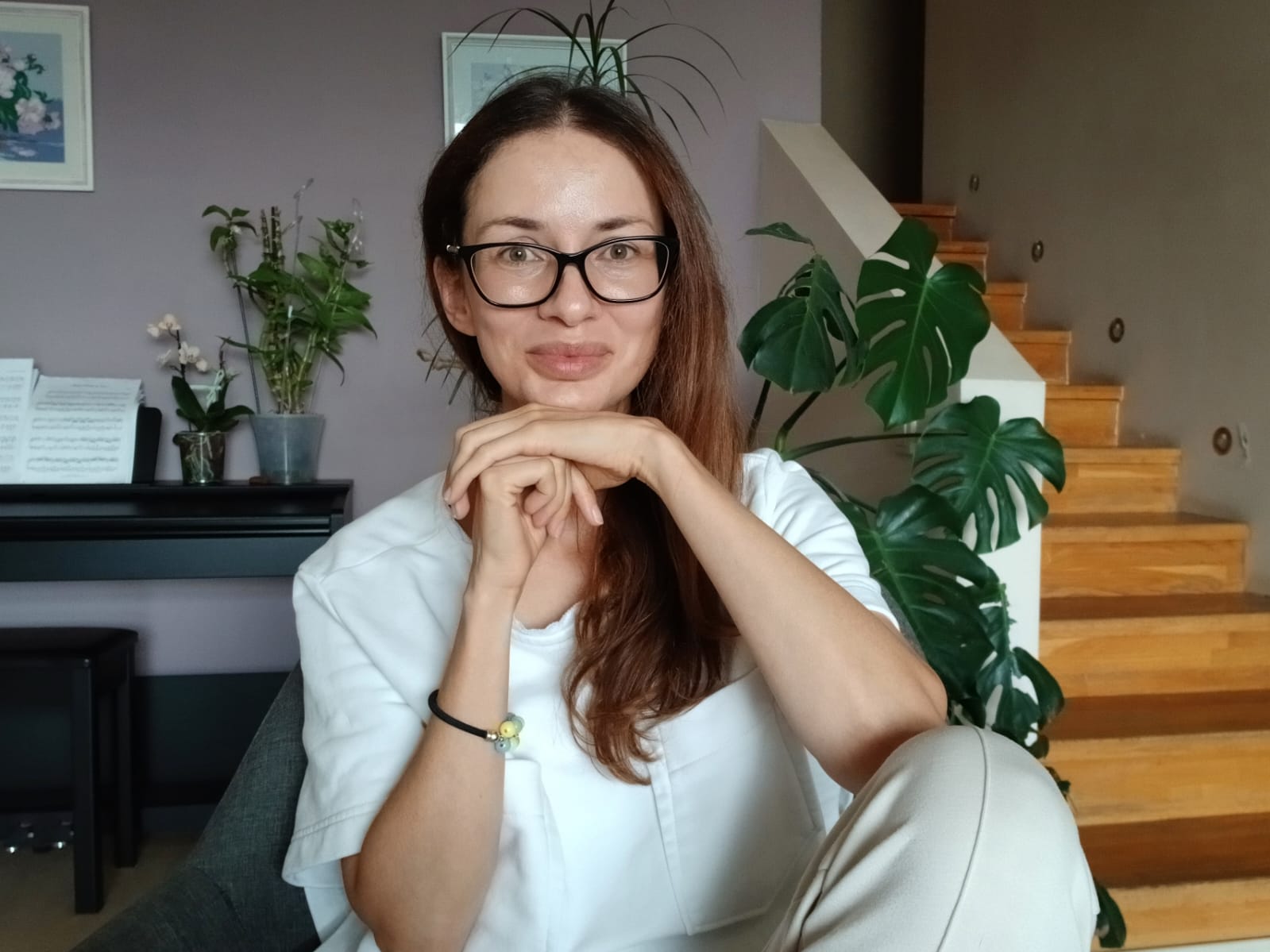
Why I Created Dry Eye Diaries
I remember how desperately I wanted answers when all of this started. I wanted someone to explain things in normal language. I wanted to understand what was happening inside my meibomian glands. I wanted to understand the treatments I was being offered and why my eyes sometimes behaved in ways that made absolutely no sense to me. I wanted to know whether other people had experienced the strange things I was experiencing. And probably more than anything, I wanted to know whether a terrible period necessarily meant that the rest of my life would look the same.
Sometimes I simply needed to hear from someone who had been there. Dry Eye Diaries is the resource I wish I had when my own journey began.
On this website, I want to collect what I've learned over the past few years — from my own experience, from research, from doctors, from other patients and from the countless questions I've asked along the way. There will be practical information about dry eye and MGD, how the tear film and meibomian glands work, diagnostics, treatment options, daily care, research and new developments.
But this blog will be more personal. Here I want to talk about the things that don't always fit neatly into a medical article: flare-ups, frustration, fear, little discoveries, mistakes, progress that doesn't happen in a straight line, and what living with chronic dry eye actually feels like.
Dry Eye, Anxiety and the Nervous System
There is another part of living with chronic dry eye that I want to talk about openly: the nervous system and mental health. Chronic physical symptoms and mental health can become deeply connected when you're dealing with something every single day. Fear. Constant symptom-checking. Googling. Catastrophizing. Waking up and immediately checking how your eyes feel. Being afraid of doing something because it might make them worse. Thinking about what your life might look like in a year, five years or twenty years.
I know all of this very well. In my case, there were objective reasons for being distressed — my symptoms really were severe and they genuinely limited my life. But at some point, my reaction to what was happening became a problem of its own.
Eventually, recovering mentally became almost a separate journey for me. I made plenty of mistakes there too. And because chronic health conditions so often come together with anxiety, fear and emotional exhaustion, I want this to be part of Dry Eye Diaries as well. Not because dry eye is “in your head.” It absolutely wasn't in mine. But because your eyes can be getting better while your nervous system is still living as if you're in danger.
I learned that the hard way. And I plan to write about that journey here too — what happened to me, what I misunderstood, what made things worse and what eventually helped me find my way back to normal life.
My Dry Eye Diaries YouTube Channel
I also have a YouTube channel called Dry Eye Diaries, where I share my experiences, observations and thoughts in a more personal way. Some videos are serious. Sometimes I talk about something I've learned during my MGD journey. Sometimes I share an observation from my own experience and simply ask: Does anyone else with MGD notice this too?
And then there are my Shorts. 😄
Those are mostly where I allow myself to just have fun with all of this. Because at some point I realized that I didn't want dry eye to be serious all the time. I know perfectly well that when you're in severe pain, frightened and struggling to function, there is absolutely nothing funny about it. I've been there. But later I started noticing how absurd some parts of life with dry eye can be. The endless warm compresses. Thinking about blinking. Celebrating a really good eye day like you've won the lottery — and then finding yourself back under your heating mask fifteen minutes later. At some point, I decided I would rather laugh at some of it. Turning parts of this experience into jokes became another way of taking a little bit of power back from something that had occupied far too much of my life.
If You're Living With Dry Eye Right Now
I'm not a doctor, and neither this website nor my YouTube channel is a replacement for medical care. I can't diagnose you or tell you which treatment is right for you. But I can tell you what happened to me. I can share what helped me, what didn't, what I wish I had understood earlier, what frightened me unnecessarily, what mistakes I made and what I would do differently today.
And if you're somewhere in the middle of a difficult period yourself, you're always welcome to reach out to me. I can't promise to have the answer. Sometimes I simply won't know. But if there's something from my own experience that might help you, I'm always happy to share it.
Because I know how awful this condition can feel. I know what it's like when your eyes become the first thing you think about in the morning and the last thing you think about at night. But I also know what it's like to slowly get your life back. Two and a half years ago, I couldn't have known what my life would look like today.
And that is probably the most important thing I want someone at the beginning of their own dry eye journey to hear:
Where you are today isn't necessarily where you'll stay.
I hope Dry Eye Diaries can help you understand a little more, feel a little less frightened, make fewer of the mistakes I made — and maybe, occasionally, even make you laugh. ❤️