If someone had told me a few years ago that simply changing what you eat could make such a huge difference to your health, I probably would have said, "Come on, seriously?" Of course, I knew that healthy eating was important. We all know that. But I never imagined that changing your diet could make such a dramatic difference to health problems someone had been dealing with for years. And then I watched it happen. Not once, but twice. In my own family. And honestly, it completely changed the way I think about food.
I usually write about my experience with dry eyes and meibomian gland dysfunction (MGD), but today I want to share something a little different. Because our eyes don't exist separately from the rest of our bodies, and I think it's worth looking at our health from a broader perspective sometimes.
Two Stories That Changed My Mind About Food
A few years ago, my husband's parents decided to try a very low-carb diet. My mother-in-law had diabetes, high blood pressure, and several other health problems. They basically decided to stop eating sugar and cut out almost all carbohydrates. I wasn't expecting anything extraordinary. Maybe she'd lose some weight, maybe she'd feel a little better. Something like that. But what actually happened surprised me. Her blood sugar levels came back into the normal range. Her blood pressure improved. And many of the other health problems she'd been struggling with started getting better too.
And the most incredible part? It wasn't just a temporary improvement. Years later, she's still doing really well. She actually says she feels better than she did twenty years ago! And you know what? I believe her. Because I can see it. She has so much energy, she's active, and she genuinely seems to be enjoying life. I remember thinking, how is this even possible? How can changing what you eat make such a difference?
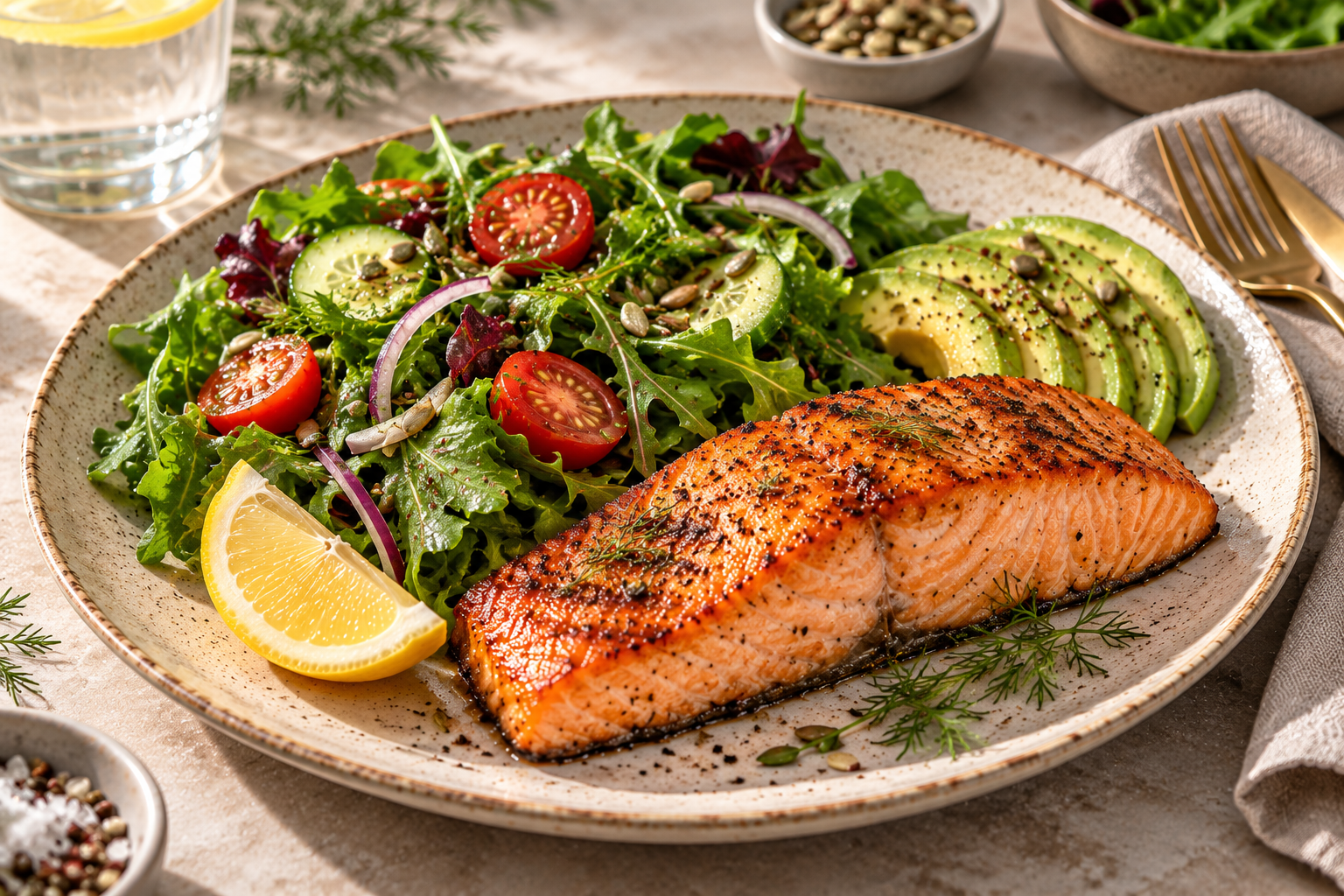
But then something even more surprising happened. My husband's parents suggested that my mom try the same diet. My mom had been dealing with fatty liver disease for years. Her liver enzymes had been EXTREMELY high for a long time. She'd been to doctors, tried different treatments, but nothing seemed to make much difference. So she decided to give this low-carb diet a try. Just for two months. She stopped eating sugar and most carbohydrates, but she was still eating vegetables, meat, fish, eggs, and other whole foods.
Two months later, she went to have her blood tests done. Her liver enzyme levels were completely normal. I remember when she told me, I honestly couldn't believe it. After years of abnormal results, suddenly everything was back in the normal range. Of course, normal blood tests don't necessarily mean that fatty liver disease has completely disappeared. But after so many years of struggling with those numbers, this was a huge change.
And naturally, we started wondering what had made such a difference. Because here's the funny thing. My mom wasn't someone who ate lots of sweets. She wasn't eating cakes and chocolate all day. So at first we were thinking, where were all these carbohydrates even coming from? And then we started looking at what she actually ate every day. Bread. Bread with breakfast. Bread with lunch. Bread with dinner. Sometimes several times a day. It was so normal to her that she'd never really thought about it.
Now, I'm not saying bread caused her fatty liver disease. That's not something we can know from this experience. Maybe reducing her overall carbohydrate intake helped. Maybe she also started eating fewer calories without realizing it. Maybe several things changed at the same time. But what really struck me was how easily we can overlook something we eat every single day. We tend to think about unhealthy food as sweets, fast food, or something obviously bad. But sometimes it's worth looking at our everyday habits too, even the ones we've had for decades.
But What Does This Have to Do With Dry Eyes?
After seeing these changes in my family, I became much more interested in how nutrition affects our health. And naturally, I started thinking about dry eyes too.
We hear a lot about inflammation these days, and we know that what we eat can influence inflammatory processes in the body. It doesn't mean that every health problem is caused by food, obviously. But nutrition is one of the things that can affect our overall health. And since inflammation can play an important role in dry eye disease, I think it's a reasonable question to ask: could changing our diet help some people with dry eyes too?
For example, we know that diabetes can contribute to dry eye problems. So if someone improves their blood sugar control and overall metabolic health, could that also have a positive effect on their eyes? I think it's worth considering. Not as a replacement for dry eye treatment, but perhaps as another part of the bigger picture.
In my own case, I believe years of poor blinking habits played a major role in my MGD. My meibomian glands became severely blocked, and the meibum inside them was incredibly thick. So I don't expect changing my diet to suddenly clear those glands or fix my blinking habits. That's a completely different problem. But if someone has dry eyes alongside diabetes, metabolic problems, or other health conditions, then looking at their overall health might be important too.
What I Took Away From All This
I'm not trying to convince anyone to go keto or stop eating carbohydrates. I don't believe there's one perfect diet for everyone, and I'm certainly not suggesting that a low-carb diet is a cure for dry eyes.
What really changed for me was the way I think about everyday food choices. For years, I thought of nutrition mainly as something that could help us stay healthy in the long run. I never really considered how much it might influence health problems that were already there.
And after watching what happened to my mother-in-law and my mom, I look at it very differently. I think it's worth staying curious, paying attention to our habits, and remembering that sometimes even small things we do every day can make a bigger difference than we expect.
So I guess my message is simple: don't underestimate what you eat. Because I certainly did.
Ana Illinska
Dry Eye Diaries
About me